Have you ever unplugged an appliance and noticed that the wall plug feels warm—or even hot—to the touch?
Many homeowners assume this is perfectly normal, especially after using appliances such as kettles, microwaves or heaters. While a small amount of warmth can occur when high-powered appliances are in use, a plug point that becomes excessively hot should never be ignored.
An overheating plug point can be one of the earliest warning signs of an underlying electrical problem. In some cases, the issue may be minor and easily repaired. In others, it could indicate loose wiring, an overloaded circuit or a faulty electrical connection that poses a serious safety risk.
If you own a home or business in Ballito or the surrounding KwaZulu-Natal North Coast, understanding what causes a hot plug point can help you recognise when it's time to call a qualified electrician before a small problem becomes a costly repair.
Is It Normal for a Plug Point to Feel Warm?
The short answer is yes—but only slightly.
Whenever electricity flows through an appliance, a small amount of heat is naturally generated. After using a high-powered appliance for a period of time, the plug itself may feel slightly warm.
However, your wall socket should never become:
- Too hot to comfortably touch
- Discoloured
- Cracked or damaged
- Accompanied by a burning smell
- Noisy or buzzing
- Sparking when appliances are plugged in
These are warning signs that should be investigated by a qualified electrician as soon as possible.
1. Overloaded Plug Points
One of the most common causes of overheating is plugging too many appliances into a single outlet.
Extension leads and multi-plugs are convenient, but they can easily overload a circuit when several high-powered appliances are used at the same time.
Common appliances that draw a significant amount of power include:
- Kettles
- Air fryers
- Microwaves
- Portable heaters
- Hair dryers
- Washing machines
- Tumble dryers
If several of these appliances are connected to the same outlet, heat can build up inside the plug point, placing unnecessary strain on the wiring.
Rather than relying on multi-plugs,
consider having additional plug points professionally installed where they are needed most.
2. Loose Electrical Connections
Loose wiring behind a plug point is another common cause of overheating.
Over time, electrical connections can loosen because of:
- Normal wear and tear
- Vibration
- Heat expansion
- Previous poor-quality workmanship
- Ageing electrical components
Loose connections create electrical resistance. The greater the resistance, the more heat is generated each time electricity flows through the outlet.
Left unattended, this can eventually damage the plug point or become a fire hazard.
3. Faulty or Worn Plug Sockets
Like any part of your home, plug sockets don't last forever.
As they age, the internal contacts that grip appliance plugs can become worn. A poor connection allows electricity to arc or generate heat, causing the outlet to become increasingly warm.
Signs that a plug point may need replacing include:
- Loose-fitting plugs
- Cracked faceplates
- Brown or black discolouration
- Buzzing noises
- Intermittent power
Replacing a worn plug socket is a relatively simple job for a
qualified electrician and can prevent larger problems from developing.
4. Faulty Appliances
Sometimes the wall socket isn't the problem at all.
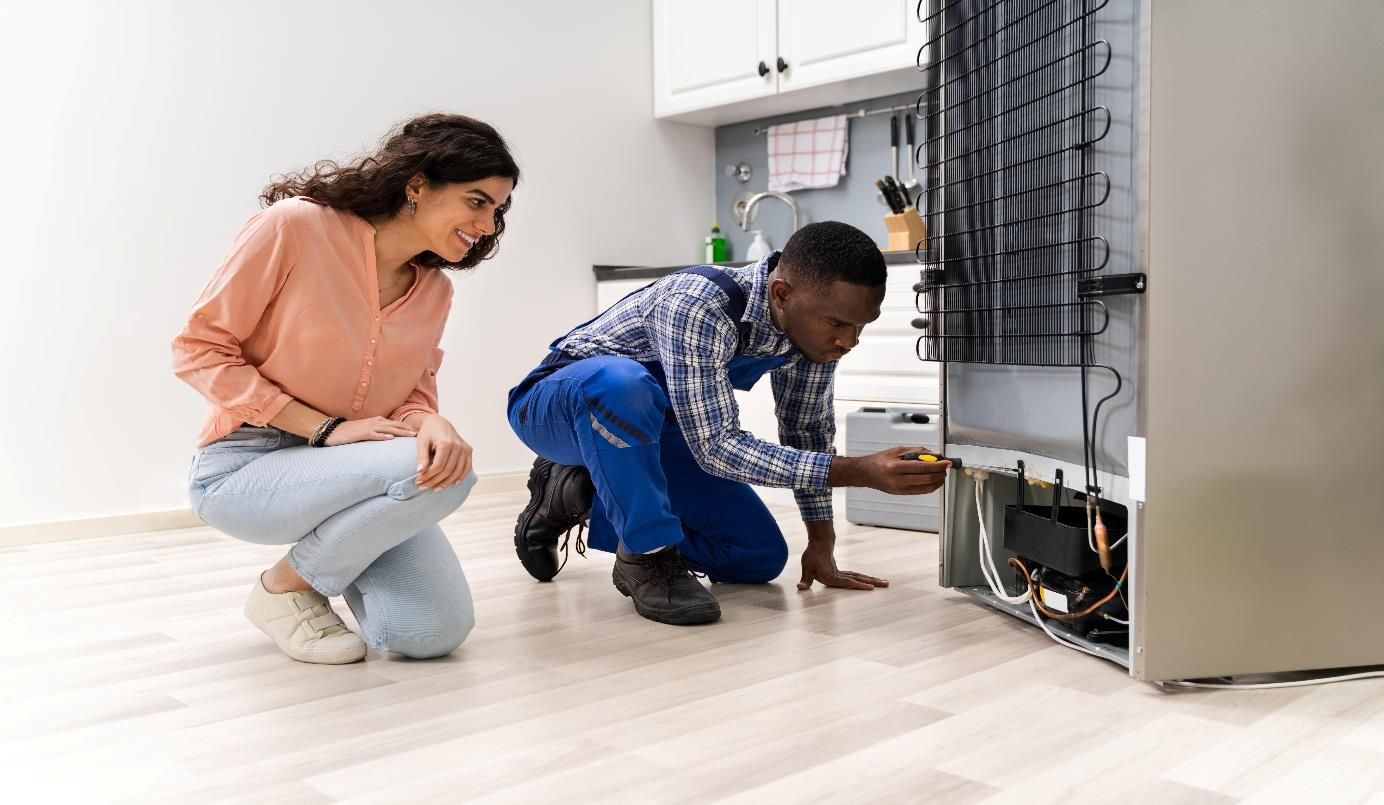
A faulty appliance can draw excessive current, causing both the appliance plug and the outlet to overheat.
If you notice that only one appliance causes the plug point to become hot, stop using it until both the appliance and the electrical outlet have been inspected.
Common appliances that may develop faults include:
- Refrigerators
- Geysers
- Pool pumps
- Air conditioners
- Dishwashers
- Washing machines
5. Older Electrical Installations
Many older homes were built before today's electrical demands became the norm.
Modern households use significantly more electrical equipment than they did twenty or thirty years ago. Home offices, entertainment systems, smart devices and high-powered kitchen appliances all place greater demand on electrical circuits.
If your home has older wiring or original plug points, it may be worth arranging a professional electrical inspection to ensure your system is still capable of safely handling your everyday electrical requirements.
6. Coastal Conditions Can Affect Your Electrical System
Living along the Dolphin Coast offers many lifestyle benefits, but the coastal environment can also affect your electrical system.
Properties in Ballito, Salt Rock, Sheffield Beach and Zimbali are exposed to humidity and salt-laden air throughout the year.
Over time, these conditions can contribute to:
- Corrosion inside electrical outlets
- Deterioration of electrical terminals
- Loose connections
- Reduced performance of electrical components
Routine maintenance is one of the best ways to identify corrosion before it develops into a more serious electrical fault.
6. Coastal Conditions Can Affect Your Electrical System
Living along the Dolphin Coast offers many lifestyle benefits, but the coastal environment can also affect your electrical system.
Properties in Ballito, Salt Rock, Sheffield Beach and Zimbali are exposed to humidity and salt-laden air throughout the year.
Over time, these conditions can contribute to:
- Corrosion inside electrical outlets
- Deterioration of electrical terminals
- Loose connections
- Reduced performance of electrical components
Routine maintenance is one of the best ways to identify corrosion before it develops into a more serious electrical fault.
💡 Local Expert Tip
At Laatz Electrical, we often find that homeowners don't notice electrical corrosion until an outlet stops working or begins overheating. Regular inspections are especially worthwhile for coastal properties, where salt-rich air can gradually affect electrical connections over time.
What Should You Do If Your Plug Point Feels Hot?
If you discover that a wall socket feels unusually hot:
- Unplug the appliance.
- Avoid using the outlet until it has been inspected.
- Check whether the problem occurs with one appliance or multiple appliances.
- Never ignore a burning smell or signs of melting.
- Never attempt to repair electrical wiring yourself.
Electrical work should always be carried out by a qualified electrician.
When Should You Call an Electrician?
Contact a qualified electrician if:
- A plug point regularly becomes hot.
- You notice sparks when plugging in appliances.
- The outlet smells like burning plastic.
- The faceplate is cracked or discoloured.
- Circuit breakers trip frequently.
- Lights flicker when appliances are used.
- You hear buzzing sounds from the outlet.
Addressing these issues early can help prevent damage to your electrical system and improve the safety of your home or business.
Laatz Electrical proudly provides professional electrical services throughout:
- Ballito
- Salt Rock
- Sheffield Beach
- Zimbali
- Umhlali
- KwaDukuza
- Tongaat
- Shakas Rock
- Compensation Beach
- The wider Dolphin Coast
Whether you need electrical repairs, fault finding, maintenance or electrical upgrades, our experienced team is here to help.
Frequently Asked Questions
Why does my plug point feel hot?
A hot plug point is commonly caused by overloaded circuits, loose wiring, worn electrical outlets or faulty appliances. It should always be inspected if it becomes excessively hot.
Is it safe to keep using a hot plug point?
No. If a plug point is too hot to touch, smells like burning or shows signs of damage, stop using it immediately and arrange a professional inspection.
Can a faulty appliance cause a hot plug point?
Yes. Faulty appliances can draw excessive current, causing both the appliance plug and the outlet to overheat.
Should old plug points be replaced?
Yes. Worn or damaged plug points should be replaced to maintain electrical safety and reliable performance.
Can Ballito's coastal climate affect plug sockets?
Yes. Salt-rich air and humidity can contribute to corrosion inside electrical outlets and electrical connections over time.
How often should my home's electrical system be inspected?
Most homes should have a professional electrical inspection every three to five years. Coastal properties and older homes may benefit from more frequent inspections.
Contact Laatz Electrical
If you've noticed a hot plug point, don't ignore the warning signs.
Whether the issue is caused by loose wiring, overloaded circuits, a faulty appliance or ageing electrical components, Laatz Electrical can identify the problem and recommend the safest solution.
We proudly provide electrical fault finding, repairs, maintenance and installations throughout Ballito and the KwaZulu-Natal North Coast.
Contact Laatz Electrical today to arrange a professional electrical inspection.
Reviewed by Laatz Electrical
This article has been reviewed by the experienced team at Laatz Electrical, trusted electrical contractors serving Ballito and the KwaZulu-Natal North Coast.
We specialise in residential, commercial and industrial electrical services, including electrical fault finding, repairs, maintenance, installations and preventative maintenance. Our goal is to provide accurate, practical information that helps homeowners, business owners, builders, property developers and property managers make informed decisions about electrical safety and maintenance.
Related Electrical Services
- Electrical Repairs
- Electrical Fault Finding
- Residential Electrical Services
- Electrical Maintenance
Continue Reading
- 10 Signs Your Home Needs an Electrician
- Why Your Circuit Breaker Keeps Tripping
- Why Are My Lights Flickering? Common Causes and When to Call an Electrician
- Signs Your Home Needs Rewiring
Need Electrical Service Fast? Call for Immediate Assistance
Recent Posts